
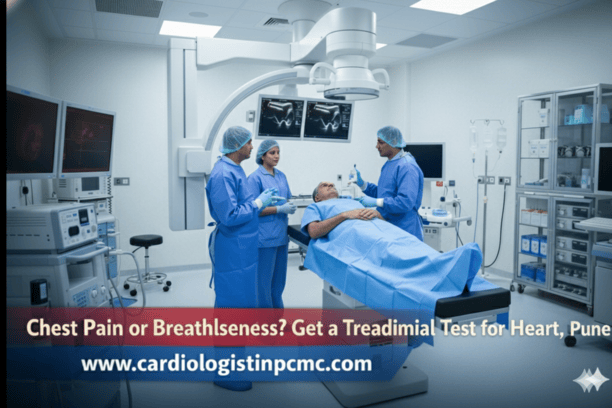
Chest pain, shortness of breath, unexplained fatigue, or discomfort during physical activity are symptoms many people tend to ignore or delay evaluating. While these signs can sometimes be linked to stress or lifestyle factors, they may also indicate underlying heart problems that require immediate medical attention. In a rapidly growing area like Pimpri, where work pressure, sedentary habits, and lifestyle-related diseases are increasing, timely cardiac evaluation is more important than ever.
One of the most reliable diagnostic tools used by cardiologists to assess heart health under physical stress is the treadmill test, also known as a cardiac stress test or TMT. This test helps doctors understand how your heart performs when it is working harder than normal. If you experience chest pain or breathlessness while walking, climbing stairs, or exercising, a treadmill test may provide crucial insights into your heart’s condition.
Access to the treadmill test for heart in pimpri allows doctors to detect early signs of coronary artery disease, irregular heart rhythms, and reduced blood supply to the heart muscle. It is a non-invasive, controlled, and highly informative test that plays a vital role in preventive cardiology.
Trusted platforms like cardiologistinpcmc.com help patients connect with experienced cardiologists and advanced diagnostic facilities in the PCMC region. Early evaluation through a treadmill test can prevent serious cardiac events and support timely treatment, making it an essential step for anyone experiencing concerning heart-related symptoms.
Understanding Chest Pain and Breathlessness as Warning Signs
Chest pain and breathlessness are among the most common symptoms that prompt individuals to seek cardiac consultation. However, not all chest discomfort feels the same, and not all
breathlessness is caused by heart disease. Differentiating between harmless causes and serious cardiac issues requires proper evaluation.
Chest pain related to heart disease often appears as pressure, tightness, heaviness, or a burning sensation, especially during physical exertion or emotional stress. Breathlessness may occur during routine activities such as walking short distances or climbing stairs, indicating that the heart may not be pumping blood efficiently.
A treadmill test for heart in pimpri helps doctors observe how these symptoms correlate with physical stress. By monitoring heart rate, blood pressure, and electrical activity while the patient walks or runs on a treadmill, cardiologists can identify patterns that suggest blocked arteries or reduced oxygen supply to the heart.
Ignoring these warning signs can lead to delayed diagnosis and increased risk of heart attacks. Early testing ensures that symptoms are investigated scientifically rather than guessed or overlooked, providing peace of mind and medical clarity.
What Is a Treadmill Test and How It Works
A treadmill test is designed to evaluate how your heart responds to increased physical activity. During the test, the patient walks on a treadmill that gradually increases in speed and incline, simulating physical exertion under controlled conditions.
Electrodes are placed on the chest to continuously monitor the heart’s electrical activity through an ECG. Blood pressure and heart rate are measured at regular intervals, while the doctor observes for symptoms such as chest pain, dizziness, or breathlessness.
The treadmill test for heart in pimpri is especially valuable because many heart problems only become evident when the heart is under stress. Conditions like coronary artery disease may not show abnormalities when the body is at rest but become apparent during exertion.
The test usually lasts 10–15 minutes and is supervised by trained medical professionals to ensure patient safety. Results help cardiologists determine whether further investigations, medications, or lifestyle changes are required.
Identifying Coronary Artery Disease at an Early Stage
One of the primary reasons cardiologists recommend a treadmill test is to detect coronary artery disease (CAD). CAD occurs when the arteries supplying blood to the heart become narrowed or blocked due to plaque buildup.
During exercise, the heart requires more oxygen-rich blood. If the arteries are narrowed, the heart muscle may not receive adequate blood flow, leading to chest pain or abnormal ECG changes. A treadmill test helps identify these changes before a major cardiac event occurs.
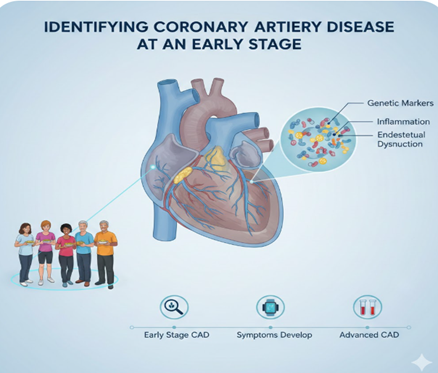
Access to the treadmill test for heart in pimpri allows early detection of CAD, even in individuals who may not have severe symptoms yet. Early diagnosis enables doctors to prescribe medications, recommend dietary changes, and guide lifestyle modifications that can slow disease progression.
Detecting CAD early significantly reduces the risk of heart attacks and improves long-term heart health, making treadmill testing a powerful preventive tool.
Evaluating Heart Fitness and Exercise Tolerance
Beyond diagnosing disease, treadmill testing also provides valuable information about a person’s overall heart fitness. It helps assess how well the heart tolerates physical activity and how quickly it recovers after exertion.
For individuals who experience breathlessness during mild activity, the test helps determine whether the cause is cardiac, respiratory, or related to poor physical conditioning. It also assists in creating safe exercise plans for patients recovering from heart conditions.
Doctors often recommend treadmill testing for patients planning to start an exercise routine, especially if they have risk factors such as diabetes, obesity, smoking, or a family history of heart disease. The treadmill test for heart in pimpri supports personalized fitness recommendations based on real cardiac performance data.
Understanding exercise tolerance helps patients adopt healthier lifestyles with confidence, knowing their heart’s limits and capabilities.
Monitoring Known Heart Conditions and Treatment Progress
Patients who already have diagnosed heart conditions often require regular monitoring to evaluate treatment effectiveness. A treadmill test helps doctors understand whether medications, lifestyle changes, or previous interventions are working as intended.
Changes in ECG patterns, heart rate response, or symptom onset during the test can indicate improvement or deterioration in heart function. This information allows cardiologists to adjust treatment plans proactively rather than reactively.
For patients with a history of angioplasty, bypass surgery, or heart rhythm disorders, treadmill testing provides ongoing insights into cardiac stability. The treadmill test for heart in pimpri ensures continuity of care and supports long-term heart health management.
Regular monitoring builds patient confidence and allows early intervention if new issues arise.
Safe, Non-Invasive, and Widely Recommended Diagnostic Test
One of the key advantages of a treadmill test is its safety and non-invasive nature. It does not involve injections, radiation, or surgical procedures, making it suitable for a wide range of patients.
The test is conducted under medical supervision, and it can be stopped immediately if the patient experiences discomfort or abnormal readings. This controlled environment ensures both safety and accuracy. Because of its reliability and ease, cardiologists frequently recommend treadmill testing as a first-line investigation for chest pain and breathlessness. Facilities offering the treadmill test for heart in pimpri follow standardized protocols to ensure precise results and patient comfort. Its accessibility and effectiveness make it an essential diagnostic tool in modern cardiology.
Who Should Consider a Treadmill Test for Heart Evaluation
A treadmill test is not only for individuals with diagnosed heart disease; it is equally important for people who have risk factors or early symptoms that may point to underlying cardiac issues. Many patients assume that heart tests are only necessary after a major event, but preventive evaluation can significantly reduce long-term risks.
Individuals experiencing occasional chest discomfort, breathlessness during routine activity, or unexplained fatigue should strongly consider a treadmill test. It is also recommended for people with diabetes, high blood pressure, high cholesterol, obesity, or a family history of heart disease, even if symptoms are mild or absent. These conditions increase the risk of coronary artery disease and may remain silent for years.
People with sedentary lifestyles or high-stress occupations may also benefit from a treadmill test before starting a new exercise or fitness program. The test helps doctors determine safe activity levels and identify any hidden cardiac limitations.
In Pimpri, access to experienced cardiologists and modern diagnostic facilities makes treadmill testing a convenient and proactive choice. Early evaluation allows doctors to guide lifestyle changes, prescribe preventive medication, or recommend further tests if needed. By identifying risks early, patients can take control of their heart health and avoid serious complications in the future.
Proper preparation helps ensure accurate treadmill test results and a smooth testing experience. Patients are generally advised to wear comfortable clothing and sports shoes suitable for walking or jogging. Heavy meals should be avoided at least two to three hours before the test, as digestion can affect heart rate and comfort during exercise.
Preparing for a Treadmill Test and What to Expect
Before starting, the cardiologist reviews the patient’s medical history, current medications, and symptoms. Certain medicines may be adjusted temporarily, depending on the purpose of the test. Electrodes are then placed on the chest to record heart activity, and baseline readings are taken while the patient is at rest.
During the test, the treadmill speed and incline increase gradually. Patients are encouraged to report any symptoms such as chest pain, dizziness, or shortness of breath immediately. Continuous monitoring ensures safety at all times, and the test can be stopped if necessary.
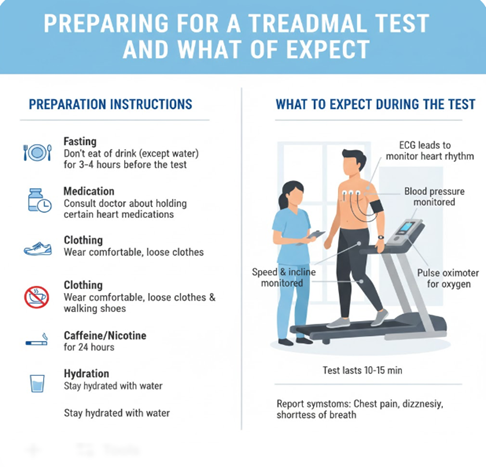
After completion, heart rate and blood pressure are observed during the recovery phase. The results are then analyzed by the cardiologist to assess heart function under stress. Clear explanations and guidance help patients understand the findings and next steps, making the treadmill test a reassuring and informative experience.
Conclusion and Call to Action
Chest pain and breathlessness should never be ignored, especially when they occur during physical activity or persist without explanation. These symptoms may be early warning signs of heart disease that require prompt evaluation. A treadmill test provides critical insights into how your heart performs under stress, helping doctors diagnose conditions early and plan effective treatment.
With increasing awareness and access to quality cardiac care, residents of Pimpri can take proactive steps toward heart health. The treadmill test for heart in pimpri plays a crucial role in preventive cardiology, early diagnosis, and long-term treatment monitoring. It empowers both doctors and patients with reliable data to make informed decisions.
If you or your loved ones are experiencing chest discomfort, shortness of breath, or unexplained fatigue, don’t wait for symptoms to worsen. Visit https://cardiologistinpcmc.com/ to connect with experienced cardiologists and trusted diagnostic services in the PCMC region. Take control of your heart health today with timely testing, expert guidance, and personalized cardiac care.