
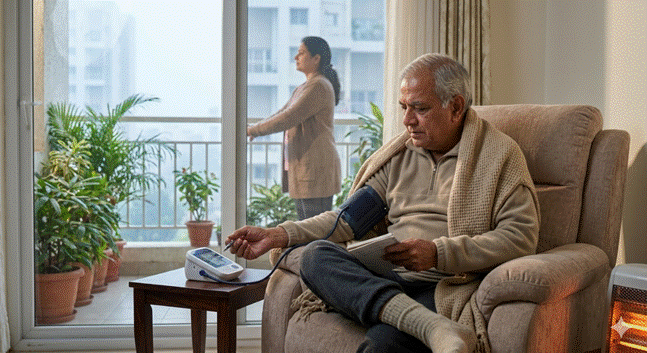
Mornings feel snug when winter arrives, yet danger hides behind those calm scenes. Around the world, hospitals report more people arriving with heart troubles once cold sets in – even places such as India see this shift. When mercury drops, arteries tighten without warning. Blood pressure climbs because of it. The heart must push stronger just to keep up. Nights grow heavier with each passing frost.
Winter hits harder when the heart already faces trouble – think diabetes, high cholesterol, extra weight, or blood pressure issues. Consulting the best cardiologist in pimple saudagar pune and staying proactive can significantly lower your risk. Care at the cardiologist in PCMC moves with the seasons, shaping prevention around how the weather bends health. Instead of waiting, many find stepping ahead brings quieter winters.
Below are 10 practical and medically recommended ways to reduce heart attack risk this winter.
1. Stay Warm Naturally
Frosty air makes blood vessels tighten, so pressure inside climbs – the heart has to push harder. When temperatures drop, circulation slows a bit; the pump works overtime just to keep up.
What you can do:
- Dress in layers
- Beneath a wide hat, skin stays shielded. Gloves take care of fingers when air bites. Socks wrap toes tightly inside boots. Protection begins where clothing ends.
- Avoid sudden exposure to cold air early in the morning
- Use room heaters safely indoors
A sudden chill hits when you step outside bareheaded, just for a few minutes. Your heart tightens under the strain of cold air on exposed skin. Without layers, the body works harder simply to keep warm. Each breath feels sharper, blood vessels narrowing in response. This small outing asks more than expected from your circulation.
2. Check Blood Pressure Often
Winter often pushes blood pressure higher. When ignored, that shift may spark a stroke or heart attack.
Practical tip:
- Blood pressure needs weekly attention when high. One look every seven days keeps things clear. Spot changes early by staying regular. Watch it like clockwork, every single week. Stay on top without fail, just once per cycle. Routine checks help track what matters. Mark your calendar for this small step
- Take medications consistently
- Avoid skipping doses because you “feel fine.”
When winter brings changes, a doctor who knows hearts might tweak your pills in Pimple Saudagar.
3. Stay Active with Care
When the days get colder, movement tends to slow down. Sitting more leads to higher cholesterol, along with added pounds.
Safe winter exercise options:
- Indoor walking
- Light yoga
- Treadmill workouts
- Stationary cycling
Morning air bites hardest right at dawn – skip training then. A slow start to movement keeps the body ready instead.
4. Avoid Overeating Comfort Foods
Fried things, sugary bites – winter hunger leans hard on heavy choices. When saturated fats pile up, so does LDL, the kind that clogs arteries slowly. Heart attacks find their way more easily down that road.
Heart-friendly swaps:
- Choose nuts over fried snacks
- Eat seasonal fruits like oranges and guava
- Include fiber-rich vegetables
- Reduce processed foods
Foods that fuel the body well help stop gunk from gathering in blood vessels.
5. Stay Hydrated
When temperatures drop, thirst often fades – so some skip sipping. Blood grows denser without enough fluid, making clots more likely.
Tip:
Start each day with a glass – six to eight should cover it, thirst or not. Soups count too, just like herbal tea when sipping through afternoon lulls.
6. Handling Stress and Winter Mood Changes
Bodies often react to shifting seasons by releasing more cortisol, a hormone tied to stress. This shift sneaks up quietly, nudging strain on the heart over time. When days grow shorter or longer, internal balances waver. The ripple shows up in how blood vessels respond under pressure. Each fluctuation carries weight, even if unseen at first glance.
Stress reduction methods:
- Deep breathing exercises
- Meditation
- Adequate sleep (7–8 hours)
- Social interaction
Cardiology services in Pimple Saudagar often emphasize holistic heart care that includes stress management
7. Avoid Smoking and Limit Alcohol
When it gets cold, blood vessels tighten up. On top of that, lighting a cigarette makes them even tighter. That double squeeze raises the chance of a heart attack fast. Smoking piles on what winter does all by itself.
Heavy drinking might push up your blood pressure, along with raising triglycerides in the bloodstream.
Sometimes letting go seems tough – reach out to a heart doctor in Pimple Saudagar when it does. Not everyone knows where to start, yet help exists right there. A trusted expert might just make the next step clearer. When things weigh heavily, that clinic could be the quiet turn you didn’t expect.
8. Regular health check-ups
Frost on the windows means hearts still need attention. Catching small problems before they grow starts with a visit. A doctor might find what you cannot feel.
Important tests include:
- Lipid profile
- Blood sugar levels
- ECG
- Echocardiography (if required)
Finding heart issues early matters most at this PCMC clinic. Risk spotting happens long before trouble shows up. Doctors here pay close attention to warning signs that others might miss. Staying ahead of problems guides every decision. Preventing crises shapes how care unfolds.
9. Spot the First Signs
Chest discomfort might feel mild, almost like gas, and easy to brush off as nothing serious. A tired body could mask what’s actually going on deep inside.
Common signs include:
- Chest pressure or discomfort
- Pain radiating to the arm, neck, or jaw
- Shortness of breath
- Excessive sweating
- Nausea
When signs show up, get medical care right away. Quick treatment protects the heart and can save a person.
10. Manage Ongoing Health Issues
Should you happen to own:
- Diabetes
- High blood pressure
- High cholesterol
- Previous heart disease
Cold months often make symptoms worse. Watching changes closely matters just as much as updating prescriptions when needed.
When you see the top heart specialist in Pimple Saudagar, care fits both weather changes and daily habits. Season by season, choices adjust because advice comes from someone who knows local patterns well. Life here shifts through months, so plans do too – guided by insight, shaped around routines.
Why Winter Raises Heart Attack Risk
Cold temperatures cause:
- Increased blood pressure
- Faster heart rate
- Higher oxygen demand by the heart
- Increased clotting tendency
Breathing illnesses such as influenza place extra pressure on the heart, particularly among older adults. For this reason, those managing heart care in Pimple Saudagar frequently recommend flu shots for people at greater risk.
Who Is at Higher Risk?
Watch out particularly when your situation involves:
Around midlife or later, folks hit a stage where age matters more – men past forty-five, women beyond fifty-five
- Diabetic
- Hypertensive
- Overweight
- A smoker
- Having a family history of heart disease
Ahead of deep winter, those fitting these groups should see a heart expert in Pimple Saudagar. Timing matters most when cold air hits.
Simple Daily Winter Heart Care Routine
Morning:
- Stay inside a moment longer when it is chilly outside
- Take prescribed medicines
- Have a warm, healthy breakfast
Afternoon:
- Stay active indoors
- Drink water regularly
Evening:
- Light dinner
- Avoid heavy late-night meals
- Practice relaxation techniques
Sticking to these routines cuts down the chances of heart trouble over time. A steady pattern here means fewer problems later on. Following through without breaks helps protect the body. Repeating them daily builds a stronger defense naturally. Over weeks, small actions add up quietly. Regular effort makes a difference that most never notice at first.
When to Go to the Emergency Room
Call emergency services immediately if you experience:
- A sharp ache in the chest that keeps going past five minutes
- Sudden breathlessness
- Collapse or fainting
- Feverish dampness creeping through clothes while unease lingers beneath the skin.
Every second counts when someone has a heart attack. Starting care early leads to stronger chances of recovery.
Final Thoughts
When winter arrives, hearts sometimes face extra strain without warning. Yet here’s what helps: knowing your body and taking steady care. Staying cozy matters, and choosing foods that fuel you well. Watching key numbers gives clues before trouble shows up. Doctor visits on schedule catch issues early. Tiny changes add up when done consistently over time.
Heart concerns? Look no further than Pimple Saudagar, where expert cardiac guidance meets consistent care through cardiologists in PCMC. Winter brings added risks – talking to a seasoned heart doctor early might just shift how well you get through it. Protection begins before symptoms show up, especially when personalized checkups form part of your routine. Strong support hides in steady monitoring rather than waiting for alarms to sound.
Cold weather pushes your heart harder – support it well. Each beat matters more once the chill sets in