
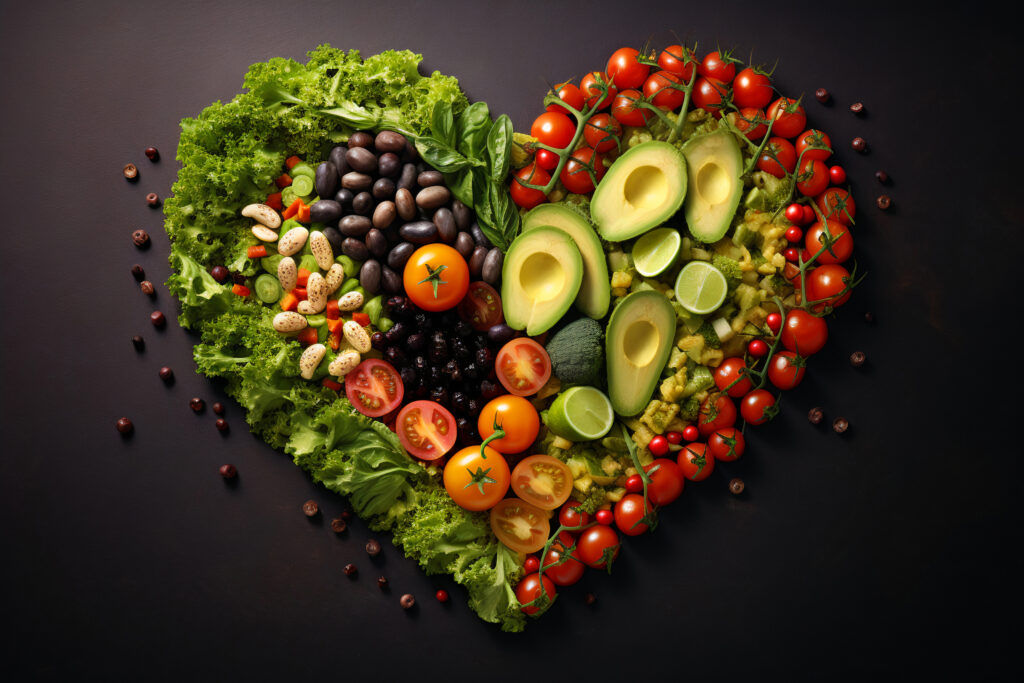
Of all the lifestyle factors that influence heart health, diet is arguably the most powerful — and the most within your control. What you eat every day directly affects your blood pressure, cholesterol levels, blood sugar, body weight, and arterial inflammation — all of which are core drivers of cardiovascular disease.
The good news: you do not need to follow a complicated, joyless eating plan to protect your heart. The science is clear, and it points toward a way of eating that is delicious, satisfying, and entirely compatible with Indian food culture.In this guide, I will walk you through exactly what a heart-healthy diet looks like — the foods that protect your heart, the ones that harm it, practical Indian meal ideas, and how to read food labels so you can make smarter choices every day.
How Diet Directly Affects Your Heart
Every meal you eat has a measurable effect on your cardiovascular system. Here is how the key dietary factors connect to heart disease risk:
- Saturated and trans fats raise LDL (bad) cholesterol, which deposits in artery walls and causes blockages
- Excess salt raises blood pressure, which strains the heart and blood vessels
- Refined carbohydrates and sugar spike blood glucose, promote insulin resistance, and raise triglycerides
- Dietary fibre lowers cholesterol, improves blood sugar control, and reduces inflammation
- Omega-3 fatty acids reduce triglycerides, lower blood pressure, and have anti-inflammatory effects
- Antioxidants in fruits and vegetables protect artery walls from oxidative damage
Key insight:
Heart disease develops over decades — and so do the protective effects of a good diet. Even modest, consistent changes to what you eat can meaningfully reduce your risk over time. It is never too early or too late to start
The Mediterranean Diet: Why Cardiologists Recommend It
The Mediterranean diet is the most thoroughly researched dietary pattern for heart health in the world. Multiple large clinical trials — including the landmark PREDIMED study — have shown that it reduces the risk of major cardiovascular events (heart attack, stroke, cardiac death) by up to 30% compared to a standard low-fat diet.
The Mediterranean diet is not a strict meal plan. It is a broad pattern of eating that emphasises:
- Abundant vegetables, fruits, legumes, and whole grains
- Olive oil as the primary source of fat
- Fish and seafood at least twice a week
- Moderate amounts of poultry, eggs, and dairy
- Limited red meat (once a week or less)
- Minimal processed foods, refined sugar, and packaged snacks
For Indian patients:
You do not need to adopt a Mediterranean diet literally. The principles translate beautifully to Indian cooking — substitute olive or mustard oil for refined oil, increase dal and vegetable intake, add fish or tofu regularly, switch to multigrain or millet rotis, and reduce maida-based snacks and fried foods. The heart-protective effect is in the pattern, not the cuisine.
Top 10 Heart-Healthy Foods
These foods have strong scientific evidence supporting their cardiovascular benefits. Try to include them regularly in your diet:
1. Oats and whole grains
Rich in soluble fibre (beta-glucan), oats actively reduce LDL cholesterol. A daily bowl of oats can lower LDL by 5–10%. Other beneficial whole grains include brown rice, barley, millets (jowar, bajra, ragi), and whole wheat.
2. Fatty fish
Salmon, sardines, mackerel, and rohu are rich in omega-3 fatty acids that reduce triglycerides, lower blood pressure, and decrease inflammation. Aim for two servings per week.
3. Leafy green vegetables
Spinach, methi, palak, and kale are packed with vitamin K, nitrates, and antioxidants that support healthy blood pressure and protect arterial walls.
4. Berries and pomegranate
High in antioxidants (particularly anthocyanins), berries and pomegranate help reduce blood pressure, improve HDL cholesterol, and decrease arterial stiffness. Amla (Indian gooseberry) is particularly potent — one of the richest natural sources of vitamin C.
5. Legumes — dal, rajma, chole
Lentils and beans are an outstanding source of plant protein, fibre, and potassium. Regular legume consumption is associated with lower blood pressure and LDL cholesterol. India’s dal-roti tradition is genuinely heart-healthy when cooked with minimal oil.
6. Nuts — especially walnuts and almonds
A small handful of nuts daily (30g) is associated with a 30% lower risk of heart disease. Walnuts are particularly rich in omega-3 fatty acids; almonds help reduce LDL. Avoid salted or honey-roasted varieties.
7. Olive oil and mustard oil
Both are rich in monounsaturated fats and have well-documented heart-protective effects. Use cold-pressed mustard oil or extra-virgin olive oil for cooking. Avoid refined sunflower, soybean, or palm oils as your primary cooking fat.
8. Tomatoes and garlic
Tomatoes contain lycopene, a powerful antioxidant that reduces LDL oxidation and lowers blood pressure. Garlic contains allicin, which has modest but meaningful blood pressure-lowering and anti-platelet effects.
9. Dark chocolate (70%+ cocoa)
Yes — in moderation. Dark chocolate contains flavonoids that improve blood flow, lower blood pressure, and reduce LDL oxidation. Limit to 1–2 small squares (20–30g) per day and choose varieties with at least 70% cocoa.
10. Green tea
Regular green tea consumption is associated with reduced LDL cholesterol and lower blood pressure. The catechins in green tea have anti-inflammatory and antioxidant properties. Two to three cups daily is beneficial.
Foods That Increase Heart Disease Risk
Equally important as what you eat is what you limit. These foods have the strongest evidence linking them to increased cardiovascular risk:
Avoid or strictly limit:
Trans fats (vanaspati, dalda, margarine), processed meats (sausages, salami, packaged ham), sugary beverages (cold drinks, packaged juices, energy drinks), refined carbohydrates (maida, white bread, biscuits, pastries), and excess salt (pickles, papad, namkeen, instant noodles).
Saturated fat — how much is too much?
Saturated fat raises LDL cholesterol. It is found in red meat, full-fat dairy, coconut oil, and ghee. The recommendation is to keep saturated fat below 7% of total daily calories. This does not mean eliminating ghee entirely — a teaspoon a day in a balanced diet is unlikely to be harmful — but regular heavy use significantly raises cardiovascular risk.
Salt and sodium — the silent blood pressure driver
The average Indian consumes 8–10g of salt per day — two to three times the recommended limit of 5g (about one teaspoon). The main sources are not the salt shaker, but hidden sodium in packaged foods, pickles, sauces, papadums, and restaurant meals. Reducing salt is one of the single most effective ways to lower blood pressure naturally.
Sugar and refined carbohydrates
Excess sugar raises triglycerides, promotes weight gain, contributes to insulin resistance, and drives systemic inflammation — all of which increase heart disease risk. Sweetened beverages are particularly harmful because liquid calories do not trigger satiety. Replace cold drinks and packaged juices with water, buttermilk, or diluted coconut water.
Complete Heart-Healthy Eating Guide: Eat More vs. Limit
| Food Group | Eat More Of | Limit or Avoid |
| Fats & Oils | Olive oil, mustard oil, avocado, nuts, seeds, fatty fish | Vanaspati, dalda, margarine, coconut oil in excess, fried foods |
| Proteins | Lentils, beans, tofu, fish, eggs, skinless chicken | Processed meats, red meat daily, organ meats, sausages |
| Carbohydrates | Oats, brown rice, whole wheat roti, millets, quinoa | White bread, maida, sugary cereals, biscuits, pastries |
| Fruits | Berries, citrus, pomegranate, guava, papaya, banana | Canned fruit in syrup, fruit juices, dried fruit in excess |
| Vegetables | Leafy greens, tomatoes, broccoli, garlic, onion, beets | Vegetables cooked in excessive oil or ghee |
| Dairy | Low-fat yoghurt, skimmed milk, paneer in moderation | Full-fat cream, butter in excess, processed cheese |
| Drinks | Water, green tea, black coffee (moderate), coconut water | Sugary drinks, packaged juices, excessive alcohol, energy drinks |
| Snacks | Roasted chana, makhana, nuts, fresh fruit | Namkeen, chips, chakli, biscuits, fried snacks |
Reading Food Labels for Heart Health
One of the most practical skills you can develop is reading nutrition labels on packaged foods. Here is what to focus on:
- Total fat and saturated fat — aim for less than 3g saturated fat per 100g
- Trans fat — should be zero. Any product listing ‘partially hydrogenated oil’ contains trans fat, regardless of what the label claims
- Sodium — aim for less than 600mg per 100g for snack foods; less than 120mg per 100g is ideal
- Added sugar — look for it under names like corn syrup, fructose, dextrose, maltose, or cane sugar
- Fibre — aim for at least 3g per serving; higher is better
- Serving size — manufacturers often list unrealistically small serving sizes to make numbers look better
Simple rule of thumb:
If a packaged food has more than 5 ingredients, or if you cannot pronounce most of them, it is likely ultra-processed. Ultra-processed foods are among the strongest dietary predictors of heart disease — minimize them wherever possible.
Sample 7-Day Heart-Healthy Indian Meal Plan
Here is a practical, entirely Indian meal plan that incorporates heart-protective foods without sacrificing flavour or tradition:
| Day | Breakfast | Lunch | Dinner |
| Mon | Oats porridge + banana | Brown rice + dal + sabzi | Multigrain roti + palak paneer + salad |
| Tue | Whole wheat upma + green tea | Millet khichdi + curd | Grilled fish + stir-fried vegetables |
| Wed | Moong dal chilla + mint chutney | Rajma + brown rice + salad | Soup + 2 rotis + mixed veg |
| Thu | Poha with vegetables + fruit | Chole + jowar roti | Tofu bhurji + brown rice + salad |
| Fri | Idli (2) + sambar (low oil) | Dahi rice + vegetable curry | Grilled chicken + quinoa + greens |
| Sat | Besan chilla + tomato chutney | Lentil soup + whole wheat bread | Paneer tikka (baked) + roti + raita |
| Sun | Fruit smoothie + boiled eggs | Dal + brown rice + cucumber raita | Light vegetable stew + multigrain roti |
Snack ideas:
Mid-morning and evening snacks can include: a small handful of mixed nuts, roasted chana or makhana, a piece of fresh fruit, low-fat yoghurt, or sliced cucumber and carrot with hummus. Avoid biscuits, namkeen, and fried snacks as daily habits.
The Truth About Fats: Not All Fats Are Bad
One of the most persistent myths in nutrition is that all fat is harmful to the heart. This is not true — and following a very low-fat diet can actually be counterproductive if you replace fat with refined carbohydrates and sugar.
The key distinction is between types of fat:
- Unsaturated fats (monounsaturated and polyunsaturated) — found in olive oil, mustard oil, avocados, nuts, and fatty fish — actively protect the heart by raising HDL and reducing inflammation
- Saturated fats — found in red meat, butter, full-fat dairy, and coconut oil — raise LDL cholesterol and should be limited
- Trans fats — found in vanaspati, dalda, margarine, and many commercial baked goods — are directly harmful to the heart and should be eliminated entirely
The goal is not a low-fat diet — it is a smart-fat diet. Replacing saturated fat with unsaturated fat is one of the most effective dietary interventions for reducing cardiovascular risk.
Frequently Asked Questions
Can I eat rice if I have heart disease?
Yes — in moderation. White rice has a high glycaemic index, meaning it raises blood sugar quickly, but it is not inherently harmful if eaten in appropriate portions alongside protein, fibre-rich vegetables, and dal. Switching to brown rice, parboiled rice, or millets is a beneficial upgrade. The key is portion size and what accompanies the rice.
Is ghee bad for the heart?
Ghee is a saturated fat and raises LDL cholesterol when consumed in large amounts. However, small quantities — one teaspoon per day on a roti — in the context of an otherwise balanced, vegetable-rich diet is unlikely to cause harm. The problem arises with habitual heavy use, such as liberally applying ghee to every meal. Moderation is the key word.
Should I take omega-3 supplements?
Food sources of omega-3 (fatty fish, walnuts, flaxseeds) are preferable to supplements for most people. However, if you have elevated triglycerides or are unable to eat fish regularly, a cardiologist may recommend a high-dose omega-3 supplement (prescription-grade icosapentaenoic acid has the best evidence). Do not self-prescribe supplements — discuss with your cardiologist first.
What about intermittent fasting for heart health?
Some research suggests intermittent fasting can improve blood pressure, cholesterol, and insulin sensitivity. However, the evidence for direct cardiovascular benefit is mixed and largely based on short-term studies. It is not universally appropriate — particularly for people with diabetes, low body weight, or certain heart conditions. Speak with your cardiologist before starting any fasting protocol.
The Bottom Line
A heart-healthy diet is not about deprivation — it is about prioritising the foods that nourish your cardiovascular system and reducing the ones that burden it. The science consistently points to the same principles: more plants, more whole grains, more healthy fats, less salt, less sugar, less processed food.
The beauty of these principles is that they align perfectly with the best of traditional Indian cooking — dals, sabzis, whole grains, and spices. The changes required are often about quantity, cooking method, and the quality of ingredients rather than a wholesale transformation of what you eat.
Start with one change this week. Swap your refined oil for cold-pressed mustard oil. Replace your afternoon biscuits with a handful of nuts. Add one extra serving of vegetables to your dinner. Small steps, taken consistently, add up to a dramatically healthier heart over time.