
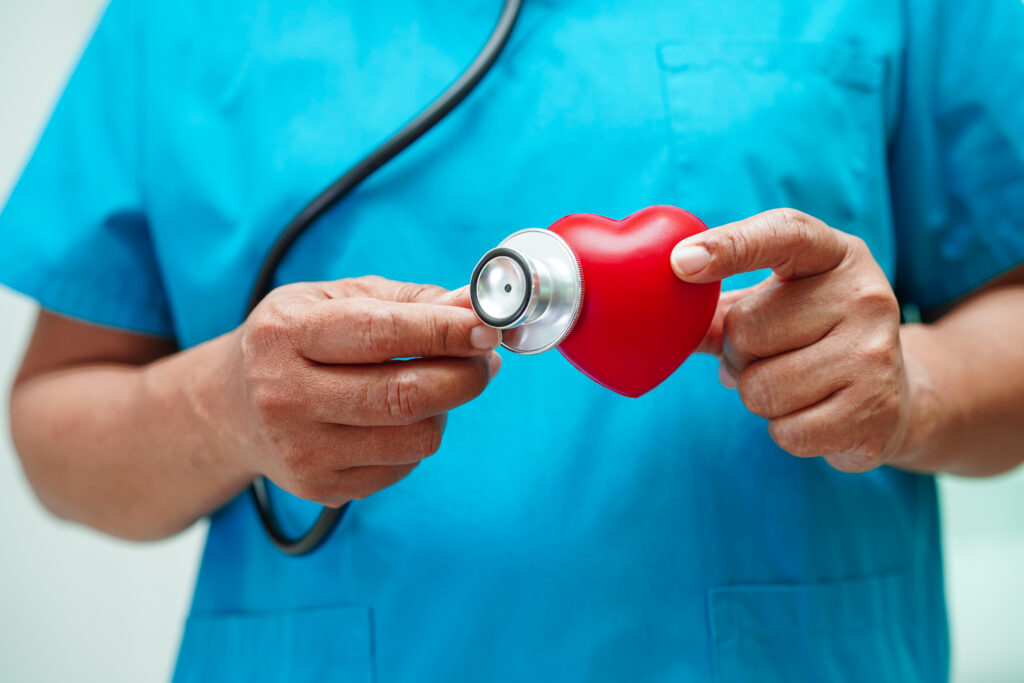
Heart disease is the leading cause of death worldwide — yet many people walk around for years without knowing they have it. One of the most dangerous aspects of cardiovascular disease is how quietly it can develop, often presenting with symptoms that are easy to dismiss as stress, aging, or a bad night’s sleep.
As cardiologists, we see patients every week who waited too long before seeking help — and the difference between catching heart disease early versus late can be the difference between a simple lifestyle intervention and emergency surgery.
In this post, we outline the 10 most important warning signs of heart disease that you should never ignore. If you or someone you love is experiencing any of these symptoms, please take them seriously — and consult a cardiologist promptly.
At a Glance: 10 Warning Signs of Heart Disease
| # | Warning Sign | Why It Matters |
| 1 | Chest pain or pressure | The most classic symptom — never ignore it |
| 2 | Shortness of breath | Occurs even at rest or with minimal exertion |
| 3 | Unusual fatigue | Persistent exhaustion unrelated to activity level |
| 4 | Heart palpitations | Fluttering, racing, or skipping heartbeats |
| 5 | Swollen legs or ankles | Fluid buildup can signal heart failure |
| 6 | Dizziness or lightheadedness | May indicate dangerous rhythm problems |
| 7 | Pain radiating to arm or jaw | Classic sign of heart attack, especially in men |
| 8 | Cold sweats | Sudden sweating without fever or heat exposure |
| 9 | Persistent cough or wheezing | Fluid in the lungs — a sign of heart failure |
| 10 | Nausea or stomach pain | Commonly mistaken for indigestion, especially in women |
1. Chest Pain or Discomfort
Chest pain is the most well-known warning sign of a heart attack — and for good reason. When the heart muscle is not receiving enough blood due to a blocked or narrowed artery, it sends out a pain signal that most people describe as pressure, squeezing, tightness, or heaviness in the chest.
Importantly, not all chest pain means a heart attack is happening right now. Some patients experience angina — a recurring chest discomfort that happens during physical exertion and goes away with rest. This is still a red flag that needs evaluation.
| When to call 911:Chest pain lasting more than a few minutes, chest pain at rest, or chest pain accompanied by sweating, nausea, or arm pain — call emergency services immediately. Do not drive yourself to hospital. |
2. Shortness of Breath
Feeling winded after climbing stairs is normal. Feeling breathless while sitting still — or with activities that never bothered you before — is not.
Shortness of breath can be a sign that the heart is not pumping efficiently, causing blood to back up into the lungs. This is one of the hallmark symptoms of heart failure, but it can also occur during a heart attack or with severe coronary artery disease.
| Doctor’s note: If you find yourself getting increasingly breathless over a period of weeks — or if you wake up at night unable to breathe — please see a cardiologist urgently. |
3. Unusual Fatigue or Weakness
Persistent, unexplained fatigue is one of the most commonly overlooked symptoms of heart disease — particularly in women. When the heart is struggling to pump blood effectively, the body may divert blood away from non-essential areas like the muscles, leaving you feeling drained and exhausted even after a full night’s sleep.
Patients often describe it as ‘a heaviness’ or ‘feeling exhausted doing things I used to do easily.’ If this sounds familiar and no other cause has been identified, a cardiac evaluation is worth considering.
4. Heart Palpitations or Irregular Heartbeat
Occasional palpitations — the feeling that your heart is fluttering, racing, pounding, or skipping — are common and usually harmless. But when they occur frequently, last more than a few seconds, or are accompanied by dizziness or chest discomfort, they need to be investigated.
Palpitations can be a sign of arrhythmias such as atrial fibrillation (AFib), which significantly increases the risk of stroke. An ECG or Holter monitor can help your cardiologist determine whether your palpitations have an underlying cardiac cause.
5. Swelling in the Legs, Ankles, or Feet
Swelling (oedema) in the lower extremities can occur when the heart is unable to pump blood efficiently, causing fluid to accumulate in the body’s tissues. This is a common symptom of congestive heart failure.
If you notice that your shoes feel tighter at the end of the day, your ankles look puffy, or pressing a finger into your shin leaves an indentation, these are signs worth discussing with your doctor.
| Other causes of leg swelling include kidney disease, venous insufficiency, and certain medications. A cardiologist can help determine whether the heart is involved. |
6. Dizziness or Lightheadedness
Feeling dizzy or faint can have many causes, but when it occurs suddenly — especially if accompanied by chest pain, shortness of breath, or palpitations — it may signal a serious cardiac event.
Certain heart rhythm disturbances (arrhythmias) can cause the heart to beat too slowly or too quickly, reducing blood flow to the brain and causing sudden lightheadedness or fainting. Fainting (syncope) should always be evaluated by a cardiologist.
7. Pain Radiating to the Arm, Jaw, Neck, or Back
One of the trickiest aspects of heart attack pain is that it doesn’t always stay in the chest. The heart shares nerve pathways with parts of the upper body, which is why a cardiac event can cause pain or discomfort in the left arm, both arms, the jaw, neck, upper back, or even the stomach.
Men most commonly report left arm pain during a heart attack. Women are more likely to experience jaw, neck, or back pain — which is why heart attacks in women are so frequently misdiagnosed or dismissed as musculoskeletal pain.
| Important for women:Heart attack symptoms in women can be subtler than the ‘classic’ chest-clutching presentation. Unexplained jaw pain, fatigue, or nausea — especially combined — warrants immediate medical attention. |
8. Cold Sweats
Breaking out in a cold sweat — especially without physical exertion, high temperature, or anxiety as a cause — can be a sign that your body is under significant cardiovascular stress. During a heart attack, the body’s fight-or-flight response is activated, causing sudden sweating.
Cold sweats paired with chest discomfort, dizziness, or nausea should be treated as a cardiac emergency until proven otherwise.
9. Persistent Cough or Wheezing
A cough that does not go away — particularly one that produces white or pink-tinged mucus — can be a sign of fluid accumulating in the lungs, a condition called pulmonary oedema. This is often associated with heart failure.
Unlike a respiratory cough, a cardiac cough tends to worsen when lying flat (making it harder to sleep) and improve slightly when sitting upright. It may also be accompanied by breathlessness and fatigue.
10. Nausea or Stomach Pain
Nausea, indigestion, and abdominal discomfort are frequently attributed to gastrointestinal problems — but they can also be symptoms of a heart attack, particularly in women. The nerve supply to the lower heart is closely linked to the stomach, which is why some patients describe their heart attack as feeling like ‘bad heartburn.’
If you experience persistent nausea or stomach pain that is unexplained, especially alongside any of the other symptoms on this list, a cardiac cause should be ruled out
When to Call 108 vs. When to Book an Appointment
Call emergency services immediately if you experience:
- Sudden, severe chest pain or pressure
- Chest pain lasting more than 5 minutes or returning repeatedly
- Difficulty breathing at rest
- Sudden fainting or loss of consciousness
- Severe shortness of breath, cold sweats, and nausea together
- Sudden weakness or numbness, especially on one side of the body
Book a cardiologist appointment soon if you notice:
- Any of the symptoms listed in this article that are new or worsening
- Recurring chest discomfort during exertion
- Unexplained fatigue or breathlessness over several weeks
- Frequent palpitations, even if they pass quickly
- Swollen ankles or persistent cough not explained by another condition
- A family history of heart disease combined with any of these symptoms
Are You at Higher Risk? Know Your Numbers
The risk of heart disease is significantly higher in individuals who have one or more of the following:
- High blood pressure (hypertension)
- High cholesterol or triglyceride levels
- Type 2 diabetes or prediabetes
- Obesity or excess abdominal fat
- Smoking — current or former
- A sedentary lifestyle
- A family history of early heart disease (before age 55 in men, 65 in women)
- Chronic stress or poor sleep
If you have two or more of these risk factors and are experiencing any of the symptoms described above, we strongly recommend speaking with a cardiologist — even if the symptoms seem mild.
Frequently Asked Questions
Can heart disease be present without any symptoms?
Yes — and this is precisely what makes it so dangerous. Conditions like high blood pressure, high cholesterol, and early coronary artery disease often cause no symptoms at all. This is why regular health screenings are so important, especially after the age of 40.
Are heart attack symptoms different in women?
Yes. While chest pain is the most common symptom for both men and women, women are more likely to experience atypical symptoms such as fatigue, nausea, jaw pain, or upper back discomfort. These subtler presentations often lead to delayed diagnosis. If you are a woman experiencing these symptoms, trust your instincts and seek medical advice.
What should I do if I am not sure whether my symptoms are cardiac?
When in doubt, always err on the side of caution. If your symptoms are severe or sudden, call emergency services. If they are mild but persistent, book an appointment with a cardiologist. No responsible doctor will ever fault you for getting evaluated — and catching a problem early almost always leads to a better outcome.
The Bottom Line
Heart disease remains the number one killer globally, but it is also one of the most preventable and treatable conditions when caught early. Your body sends warning signals long before a crisis occurs — the key is knowing what to listen for and acting promptly.
Don’t dismiss chest tightness as stress, or unexplained fatigue as ‘just getting older.’ These symptoms deserve attention. A 30-minute consultation with a cardiologist today could save your life tomorrow.
| Take the First Step Towards Heart HealthSchedule a heart health screening with our specialist cardiologist. Early detection is the most powerful tool in preventing heart disease. |