
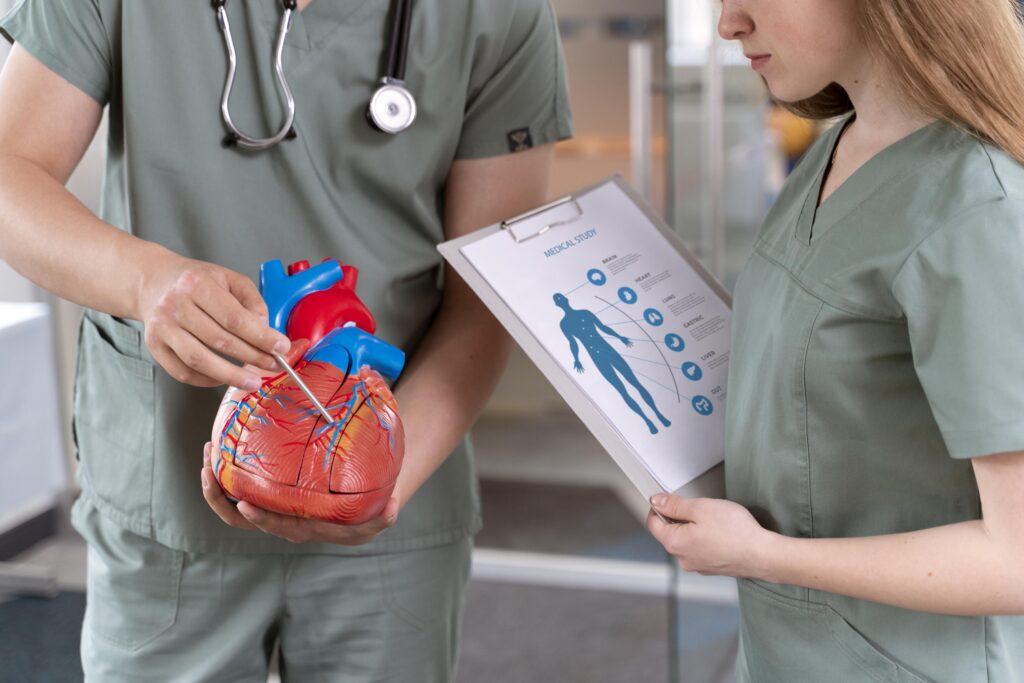
Here is a fact that surprises many of my patients: up to 80% of heart disease cases are preventable. Despite being the world’s leading cause of death, heart disease is not inevitable. It is, in large part, a disease of lifestyle choices — and that means the power to change your trajectory lies firmly in your hands.
In this guide, I will walk you through the most important, evidence-based strategies for preventing heart disease. Whether you are 30 years old with no risk factors, or 55 with a family history of cardiac problems, these steps apply to you.
| 80% of heart disease cases are preventable | #1 cause of death globally | 50% of patients had no prior symptoms | 20+ modifiable risk factors exist |
tep 1: Know Your Risk Factors
Prevention begins with awareness. Heart disease develops over decades, driven by a combination of factors — some you can control, and some you cannot.
Risk factors you cannot change:
- Age (risk increases significantly after 45 for men, 55 for women)
- Family history of early heart disease
- Being male (though women’s risk rises sharply after menopause)
- Certain genetic conditions like familial hypercholesterolaemia
Risk factors you can control:
- High blood pressure
- High LDL (bad) cholesterol
- Type 2 diabetes or insulin resistance
- Smoking
- Physical inactivity
- Obesity, especially central/abdominal fat
- Poor diet
- Chronic stress and poor sleep
- Excessive alcohol consumption
| Doctor’s tip: The more modifiable risk factors you have, the more urgently you need to act. Even reducing one or two factors significantly lowers your lifetime risk. |
Step 2: Eat a Heart-Healthy Diet
What you eat directly affects your blood pressure, cholesterol, blood sugar, inflammation levels, and body weight — all of which influence your heart disease risk. The good news is that you do not need to follow a complicated or restrictive diet. A few key principles make a big difference.
| Food Group | Heart-Healthy Choices |
| Fats | Olive oil, avocados, nuts, fatty fish (omega-3s). Avoid trans fats and limit saturated fat. |
| Proteins | Fish, legumes, tofu, skinless poultry. Limit red meat and processed meats. |
| Carbohydrates | Whole grains, oats, brown rice. Avoid refined carbs, white bread, sugary drinks. |
| Fruits & Vegetables | Aim for 5+ servings daily. Leafy greens, berries, tomatoes are especially beneficial. |
| Dairy | Low-fat dairy or plant-based alternatives. Limit full-fat cheese and butter. |
| Salt | Keep sodium below 2,000 mg/day. Avoid processed foods, pickles, papadums, instant noodles. |
| The Mediterranean DietConsistently ranked the most heart-protective diet in the world, the Mediterranean diet emphasises olive oil, fish, whole grains, legumes, vegetables, and moderate red wine. Studies show it reduces cardiovascular events by up to 30%. |
A note on Indian diets:
Traditional Indian cooking can be very heart-healthy when prepared with the right oils and proportions. Key adjustments include switching from refined oil (vanaspati/dalda) to cold-pressed mustard or olive oil, reducing ghee portions, increasing dal and vegetable intake, and limiting fried snacks, white rice, and sugary mithai.
Step 3: Exercise Regularly — The Right Way
Regular physical activity is one of the single most powerful things you can do for your heart. It lowers blood pressure, improves cholesterol, reduces body weight, controls blood sugar, and reduces stress — all in one.
What the guidelines recommend:
- 150 minutes of moderate-intensity aerobic activity per week (e.g., brisk walking, cycling, swimming)
- OR 75 minutes of vigorous activity (jogging, aerobics, fast cycling)
- Plus muscle-strengthening exercises at least 2 days per week
This works out to just 30 minutes of brisk walking, five days a week — a completely achievable goal for most people.
| Important: If you have existing heart disease, high blood pressure, or have been inactive for a long time, always consult your cardiologist before starting a new exercise programme. We can help design a safe, personalised plan for you. |
Step 4: Manage Your Blood Pressure
High blood pressure (hypertension) is the single largest modifiable risk factor for heart disease and stroke worldwide. It is called the ‘silent killer’ because it rarely causes symptoms until it has already done significant damage.
Target blood pressure: below 120/80 mmHg is optimal. Above 130/80 mmHg is considered elevated and worth addressing.
Natural ways to lower blood pressure:
✓ Reduce salt intake — the single most effective dietary change
✓ Increase potassium-rich foods (bananas, sweet potato, spinach)
✓ Exercise regularly — even 30 minutes of walking lowers BP
✓ Limit alcohol to no more than 1 drink per day
✓ Manage stress through yoga, meditation, or deep breathing
✓ Maintain a healthy weight — losing 5 kg can drop BP by 5 mmHg
✓ Get 7–8 hours of quality sleep per night
If lifestyle changes are not enough, your cardiologist may recommend antihypertensive medication. Taking medication as prescribed is not a failure — it is a smart, evidence-based tool.
Step 5: Understand and Manage Your Cholesterol
Cholesterol is a fatty substance in the blood. When LDL (bad) cholesterol is too high, it can build up in artery walls and form plaques — the underlying cause of most heart attacks.
| Cholesterol Type | What to Aim For |
| LDL (bad cholesterol) | Below 100 mg/dL ideally; below 70 mg/dL if high-risk |
| HDL (good cholesterol) | Above 60 mg/dL is protective |
| Triglycerides | Below 150 mg/dL |
| Total cholesterol | Below 200 mg/dL |
Diet, exercise, and weight loss can significantly improve your lipid profile. If your numbers remain high despite lifestyle changes, statins and other medications are highly effective and safe for long-term use.
Step 6: Quit Smoking — The Single Best Thing You Can Do
If you smoke, quitting is the most impactful decision you can make for your heart health. Smoking damages blood vessel walls, raises blood pressure, lowers good cholesterol, increases clotting risk, and is a direct cause of heart attacks.
The good news: within just one year of quitting, your risk of heart attack drops by 50%. Within 15 years, your risk approaches that of a non-smoker.
| Support is available:Nicotine replacement therapy, prescription medications, and behavioural counselling all significantly improve quit rates. Ask your cardiologist for a referral — you do not have to do this alone. |
Step 7: Manage Stress — The Hidden Cardiac Risk
Chronic psychological stress raises cortisol and adrenaline, which over time increase blood pressure, promote inflammation, disrupt sleep, and drive unhealthy behaviours like overeating and smoking. Stress is a genuine, measurable cardiac risk factor — not just a vague lifestyle concern.
Proven stress-reduction techniques:
- Mindfulness meditation — even 10 minutes daily has measurable effects on blood pressure
- Yoga — combines physical activity, breathing, and relaxation
- Regular exercise — one of the most effective natural stress relievers
- Social connection — loneliness increases cardiac risk; stay connected
- Therapy or counselling — especially helpful for anxiety or depression, both of which are independent cardiac risk factors
- Setting healthy work-life boundaries and prioritising sleep
Step 8: Maintain a Healthy Weight
Excess body weight — particularly fat stored around the abdomen — is strongly linked to high blood pressure, elevated cholesterol, type 2 diabetes, and inflammation, all of which increase heart disease risk.
Body Mass Index (BMI) is a useful but imperfect tool. Waist circumference is often more informative: aim for below 90 cm (men) and below 80 cm (women) for South Asian populations, where abdominal fat poses a particularly high cardiac risk at lower BMIs.
| You do not need to reach an ‘ideal’ weight to benefit your heart. Losing as little as 5–10% of your body weight can meaningfully reduce blood pressure, improve cholesterol, and lower blood sugar. |
Step 9: Control Blood Sugar and Diabetes Risk
Diabetes and prediabetes are major drivers of cardiovascular disease. High blood sugar damages blood vessel walls over time, accelerating the build-up of arterial plaques. People with diabetes have two to four times the risk of heart disease compared to those without.
If you have been diagnosed with prediabetes or type 2 diabetes, work closely with your physician and cardiologist to manage your blood sugar through diet, exercise, and medication. Some diabetes medications — such as SGLT2 inhibitors — have been shown to actively protect the heart.
Step 10: Get Regular Cardiac Screenings
Many of the risk factors described in this guide — high blood pressure, high cholesterol, diabetes, silent arrhythmias — cause no symptoms until significant damage has occurred. Regular screening is how we catch these problems early, when they are most treatable.
What to screen for and when:
| Screening Test | Recommended Frequency |
| Blood pressure check | At least once a year after age 18; more often if elevated |
| Lipid panel (cholesterol) | Every 4–6 years from age 20; annually if high-risk |
| Blood glucose / HbA1c | Every 3 years from age 35; annually if risk factors present |
| ECG (resting) | Baseline at age 40; as directed by cardiologist |
| Echocardiogram | As recommended based on symptoms or risk profile |
| Stress test | If experiencing exertional symptoms or high Framingham risk score |
| Preventive Cardiology Consultation:A preventive cardiology visit goes beyond a standard GP check-up. Your cardiologist will assess your 10-year cardiovascular risk score, review your full risk profile, and create a personalised prevention plan. We recommend this for everyone over 40 — or earlier if you have a family history. |
Your Heart Disease Prevention Checklist
Use this as your personal action plan:
✓ Know your blood pressure, cholesterol, and blood sugar numbers
✓ Eat a diet rich in vegetables, whole grains, and healthy fats
✓ Walk at least 30 minutes, 5 days a week
✓ Reach and maintain a healthy weight
✓ Quit smoking (or never start)
✓ Limit alcohol to 1 drink or fewer per day
✓ Manage stress actively — it is a real cardiac risk
✓ Get 7–8 hours of quality sleep every night
✓ Schedule annual health screenings
✓ See a cardiologist if you have two or more risk factors
Frequently Asked Questions
Can I prevent heart disease if it runs in my family?
A family history increases your risk, but it does not make heart disease inevitable. Studies consistently show that people with high genetic risk who follow a healthy lifestyle reduce their actual risk by up to 50%. Genetics loads the gun; lifestyle pulls the trigger — or doesn’t.
At what age should I start thinking about heart disease prevention?
Now — regardless of your age. Atherosclerosis (plaque build-up in arteries) begins as early as the teenage years. The habits you form in your 20s and 30s significantly shape your cardiac risk in your 50s and 60s. That said, it is never too late to benefit from positive changes.
Is aspirin still recommended for heart disease prevention?
Low-dose aspirin is no longer routinely recommended for primary prevention (in people who have not yet had a heart attack or stroke) due to bleeding risks. It is still used in secondary prevention — for those who have already had a cardiac event. Always consult your cardiologist before starting or stopping aspirin.
The Bottom Line
Heart disease is not a fate you have to accept. It is, in the majority of cases, a preventable condition — one that responds powerfully to the choices you make every day about what you eat, how you move, how you manage stress, and how often you get checked.
The most important step is simply to start. Pick one area from this guide — whether that is cutting salt, adding a 30-minute walk, or booking a cholesterol test — and begin there. Small, consistent changes compound into dramatically better cardiovascular health over time.
If you are unsure where to start, or if you have existing risk factors, a consultation with a cardiologist is the smartest investment you can make in your long-term health.
| Book a Preventive Cardiology Consultation Our cardiologist will assess your personal risk profile and design a tailored prevention plan — so you can take control of your heart health today. |