
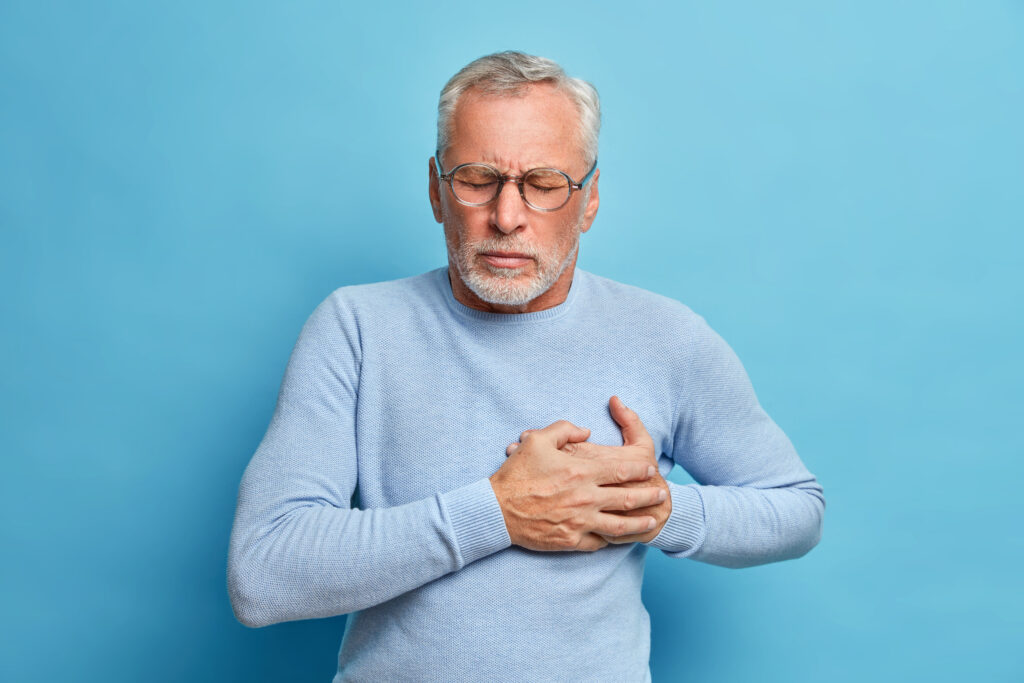
Have you ever suddenly felt your heart racing, fluttering, pounding, or skipping a beat?
Many people experience this sensation at some point and immediately worry: “Is this a heart problem?”
These sensations are called palpitations — an awareness of your heartbeat that may feel unusual, stronger, faster, or irregular.
The good news is that many palpitations are harmless and temporary. However, in some cases, they may signal an underlying heart rhythm problem that needs medical attention.
The key is knowing when to ignore them and when not to.
In this guide, we explain what palpitations are, common harmless causes, warning signs, and when you should consult a cardiologist.
What Are Palpitations?
Palpitations are sensations where you become unusually aware of your heartbeat.
You may feel:
✔ Racing heartbeat
✔ Fluttering in the chest
✔ Skipped beats
✔ Pounding heartbeat
✔ Flip-flopping sensation
✔ Sudden strong heartbeat
Some people feel palpitations in the:
They may last:
Palpitations can happen during activity or even while resting quietly.
Key point:
Not every palpitation means heart disease — but persistent or unusual symptoms should not be ignored.
What Causes Palpitations?
Palpitations can occur for many reasons.
Some are harmless, while others may need treatment.
Common Harmless Causes of Palpitations
1. Stress and Anxiety
One of the most common causes.
Stress increases adrenaline, which speeds up the heart and may create sensations of:
Anxiety attacks often cause palpitations along with:
These are usually temporary.
2. Too Much Tea, Coffee, or Caffeine
Excess caffeine can stimulate the heart.
Common triggers include:
Some people are more sensitive than others.
3. Lack of Sleep
Sleep deprivation may trigger:
Poor sleep also raises stress hormones.
4. Smoking and Tobacco
Nicotine stimulates the nervous system and may increase:
5. Alcohol Consumption
Alcohol may trigger palpitations in some people, especially:
Some people experience “holiday heart syndrome”, where irregular rhythm develops after alcohol excess.
6. Exercise or Physical Activity
After exercise, it is normal for the heart to beat faster.
However, sudden abnormal racing or dizziness during exercise should be evaluated.
Medical Causes of Palpitations
Sometimes palpitations signal an underlying medical issue.
1. Irregular Heart Rhythm (Arrhythmia)
Abnormal electrical activity in the heart can cause:
Common rhythm problems include:
Some arrhythmias are harmless; others need treatment.
2. Thyroid Problems
An overactive thyroid (hyperthyroidism) may cause:
3. Anaemia (Low Haemoglobin)
Low blood levels reduce oxygen delivery, making the heart beat faster to compensate.
Common symptoms:
4. Low Blood Sugar
People with diabetes may experience palpitations when blood sugar falls too low.
Symptoms may include:
5. Heart Disease
Blocked arteries, heart valve disease, or weakened heart muscle may occasionally present with palpitations.
Risk is higher in people with:
When Are Palpitations Usually Harmless?
Palpitations are often harmless if they are:
✔ Occasional
✔ Last only a few seconds
✔ Triggered by stress, caffeine, or poor sleep
✔ Not associated with other symptoms
✔ Improve after reducing triggers
For example:
Feeling a few skipped beats after coffee or stress may not be dangerous.
However, persistent or worsening symptoms should still be evaluated.
When Should You Worry About Palpitations?
Seek medical attention if palpitations occur with:
Warning Signs
✔ Chest pain
✔ Breathlessness
✔ Fainting or near-fainting
✔ Dizziness
✔ Severe sweating
✔ Persistent fast heartbeat
✔ Very irregular heartbeat
Also seek evaluation if palpitations:
These may indicate an abnormal heart rhythm requiring treatment.
Important:
Never ignore palpitations in patients with diabetes, high BP, previous heart disease, or family history of sudden cardiac death.
What Do Dangerous Palpitations Feel Like?
Concerning symptoms may include:
A heartbeat that feels “wildly irregular” rather than simply “fast” deserves medical attention.
How Are Palpitations Diagnosed?
A cardiologist may recommend tests depending on symptoms.
1. ECG (Electrocardiogram)
A simple test that checks heart rhythm.
Useful if palpitations occur during testing.
2. Holter Monitoring
A portable ECG worn for 24–48 hours to detect intermittent rhythm problems.
Helpful if symptoms come and go.
3. 2D Echo
Checks heart structure and pumping function.
Useful to rule out valve disease or weakened heart muscle.
4. Blood Tests
May check for:
5. Stress Test (TMT)
Sometimes recommended if symptoms occur during activity.
How Are Palpitations Treated?
Treatment depends on the cause.
Lifestyle Changes
Many people improve with simple measures:
✔ Reduce caffeine
✔ Improve sleep
✔ Stay hydrated
✔ Manage stress
✔ Avoid smoking
✔ Limit alcohol
Treat Underlying Medical Problems
Examples:
Medicines
Some patients may need medicines to:
Procedures
In selected rhythm disorders, procedures such as radiofrequency ablation may permanently fix the problem.
Frequently Asked Questions
Are skipped heartbeats dangerous?
Occasional skipped beats are often harmless. Frequent or worsening skipped beats should be evaluated.
Can anxiety cause palpitations?
Yes. Anxiety is one of the most common causes of racing heartbeat and chest fluttering.
Can lack of sleep trigger palpitations?
Yes. Poor sleep increases stress hormones and may trigger irregular heart sensations.
Is palpitation the same as heart attack?
No. Palpitations are awareness of heartbeat. However, if associated with chest pain or sweating, urgent evaluation is important.
When should I see a cardiologist?
If palpitations are frequent, severe, associated with dizziness, fainting, chest pain, or breathlessness.
The Bottom Line
Palpitations are common and often harmless, especially when linked to stress, caffeine, poor sleep, or anxiety.
However, persistent, frequent, or severe palpitations — particularly those associated with chest pain, dizziness, fainting, or breathlessness — should never be ignored.
The good news is that most causes can be identified with simple heart tests and treated effectively.
If your heartbeat feels unusual repeatedly, getting checked early can provide reassurance and, in some cases, prevent serious heart complications.
Don’t Ignore Unusual Heartbeats
If you experience racing heartbeat, skipped beats, dizziness, or chest discomfort, consult a cardiologist for proper heart rhythm evaluation.